


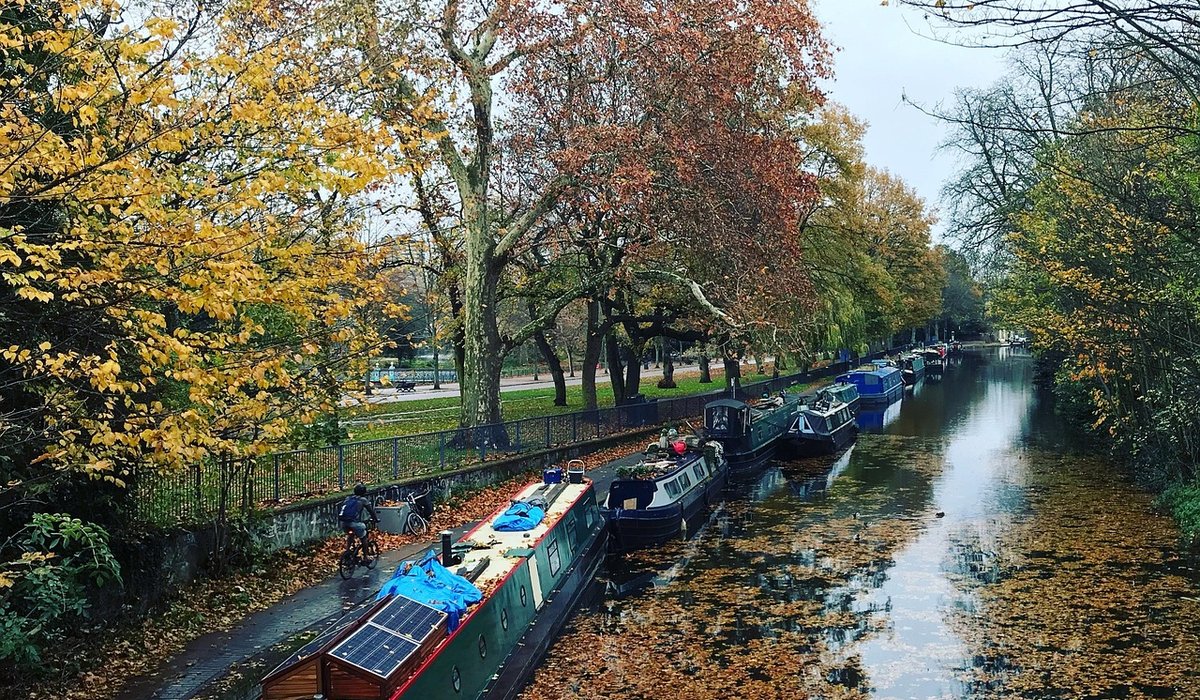
The arteries of industrial Britain
Between the 1760s and 1830s, Britain dug thousands of miles of canals to shift coal, limestone, iron and pottery. The Bridgewater Canal of 1761 sparked a mania that saw the Trent & Mersey, Leeds & Liverpool and Grand Union carved by hand through hills and valleys. Many of these routes later fell silent as railways and roads took their trade. Yet their lines remain — some restored, some abandoned, all telling of ambition.
For anyone considering life afloat, these waterways are not just history. They are the living framework of a community that moves at four miles an hour. Understanding the lost routes helps you appreciate the restored ones you can actually cruise.
Abandoned canals you can still trace
Some lost canals are surprisingly accessible. The Basingstoke Canal, opened in 1794, once carried timber and flour to London. Today, parts are navigable whilst other stretches are dry. The Wilts & Berks Canal is a ghost route: its 52 miles from Semington to Abingdon are being restored piece by piece. Walk the towpath at Wootton Bassett and you will find intact locks, overgrown wharves and the occasional stone bridge.
Others to explore:
- Somerset Coal Canal: a branch of the Kennet & Avon, with dramatic lock flights at Combe Hay.
- Cromford Canal: a Derwent Valley line that served mills; parts are a nature reserve.
- Herefordshire & Gloucestershire Canal: 34 miles from Hereford to Gloucester, with a restored section at Over.
These abandoned routes are often quiet, muddy and full of wildlife. Take Ordnance Survey maps and expect stiles rather than lock gates. A good pair of boots and a flask will serve you better than a windlass.
The great restoration movement
Since the 1960s, volunteer groups have reopened hundreds of miles. The Kennet & Avon, once derelict, reopened in 1990 and now links Reading to Bath. The Rochdale Canal reopened in 2002 after decades of work, creating a coast-to-coast route across the Pennines. The Huddersfield Narrow Canal, with its 3,264-metre Standedge Tunnel, was restored in 2001 — the longest, deepest and highest canal tunnel in Britain.
Restoration continues. The Cotswold Canals Connected project is reconnecting the Stroudwater Navigation and Thames & Severn Canal. The Chesterfield Canal is being extended towards the Rother Link. Each project relies on volunteers, lottery funding and local councils. If you live aboard, you benefit directly: more miles mean more places to moor and fewer dead ends.
Living aboard: what it really takes
Canal boat living is romantic, but it is also practical. A typical narrowboat is 57 feet (17 metres) long and 6 feet 10 inches wide. That gives you around 300 square feet of floor space — less than a small flat. You will need to manage water, waste, electricity and coal or diesel heating.
- Licences: a Canal & River Trust licence for a 57-foot boat costs around £1,200 a year. Mooring fees vary from £2,000 to £6,000 depending on location.
- Continuous cruising: if you do not have a home mooring, you must move every 14 days and cover a range of at least 20 miles.
- Maintenance: budget for blacking the hull every 2–3 years (£600–£1,000), plus engine servicing, pump-outs and occasional welding.
Winter is the real test. Frozen canals can trap you for days. Learn to lag pipes, use a solid fuel stove and keep a spare gas bottle. A well-insulated boat with double-glazed portholes makes a huge difference.
Navigating the restored network
The restored network now offers over 2,000 miles of navigable waterway. Popular routes include the Four Counties Ring, the Cheshire Ring and the Avon Ring. For a slower pace, try the Ashby Canal — 22 miles of lock-free cruising through Leicestershire. Or the Caldon Canal, with its staircase locks at Etruria.
If you plan to move regularly, get a copy of the Pearson's Canal Companions or the Nicholsons guides. They list every lock, bridge, water point and pub. Join a boat club or a Facebook group for real-time advice on stoppages and moorings. And always check the Canal & River Trust's stoppage notices before a long cruise.
And if you are drawn to the lost canals, volunteer with a restoration trust. You might find yourself rebuilding a lock wall or clearing a mile of towpath. That is how the next generation of waterways is made — one brick, one pound, one mile at a time.


Leave a reply